We ask you, urgently: don't scroll past this
Dear readers, Catholic Online was de-platformed by Shopify for our pro-life beliefs. They shut down our Catholic Online, Catholic Online School, Prayer Candles, and Catholic Online Learning Resources essential faith tools serving over 1.4 million students and millions of families worldwide. Our founders, now in their 70's, just gave their entire life savings to protect this mission. But fewer than 2% of readers donate. If everyone gave just $5, the cost of a coffee, we could rebuild stronger and keep Catholic education free for all. Stand with us in faith. Thank you.Help Now >
St. James of the Marches
Facts
Birth: 1391
Death: November 28, 1476
Author and Publisher - Catholic Online
Printable Catholic Saints PDFs
Shop St. James of the Marches

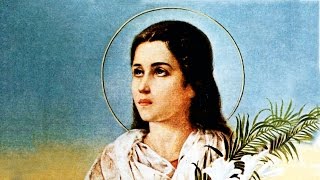
James Gangala was born at Montebrandone, Ancona. He studied law and then joined the Franciscans at Assisi in 1416. He studied under St. Bernardino of Siena at Fiesole, was ordained when he was twenty-nine, and became an effective and forceful preacher. He worked as a missionary with St. John Capistran in Italy and in Germany, Bohemia, Poland, and Hungary, and in 1426, with John, was named inquisitor against the Fraticelli by Pope St. Martin V. They destroyed thirty-six Fraticelli houses, and their severity (some of the Fraticelli were burned at the stake) and their tactics resulted in great violence and caused many objections. James attended the Council of Basle-Florence, and helped reconcile Hussites, but was unsuccessful in attempts to reconcile the Observant and Conventual Franciscans. In 1456, he was sent to Austria and Hungary to combat the Hussites. He refused offer of the See of Milan, and in 1462 became involved with the Inquisition because of a sermon he preached at Brescia. The case caused a sensation and was referred to Rome; silence was imposed on all parties, and no decision was ever rendered. He died in Naples, where he spent the last three years of his life, on November 28th. He was canonized in 1726 as St. James of the Marches. His feast day is November 28th.
Come Grow With Us
Sign up and walk the Catholic journey with millions around the world.
Receive inspiring emails on saints, daily readings, and free faith-building resources—no cost, ever.
Sister Sara Has One Message for Every Catholic Family This June
- Easter / Lent
- 5 Lenten Prayers
- Ash Wednesday
- 7 Morning Prayers
- Mysteries of the Rosary
- Litany of the Bl. Virgin Mary
- Popular Saints
- Popular Prayers
- Female Saints
- Saint Feast Days by Month
- Stations of the Cross
- St. Francis of Assisi
- St. Michael the Archangel
- The Apostles' Creed
- Unfailing Prayer to St. Anthony
- Pray the Rosary







Copyright 2026 Catholic Online. All materials contained on this site, whether written, audible or visual are the exclusive property of Catholic Online and are protected under U.S. and International copyright laws, © Copyright 2026 Catholic Online. Any unauthorized use, without prior written consent of Catholic Online is strictly forbidden and prohibited.
Catholic Online is a Project of Your Catholic Voice Foundation, a Not-for-Profit Corporation. Your Catholic Voice Foundation has been granted a recognition of tax exemption under Section 501(c)(3) of the Internal Revenue Code. Federal Tax Identification Number: 81-0596847. Your gift is tax-deductible as allowed by law.